
Five Things I've Learned About Leading Garden Tours When the Weather Doesn't Cooperate
If there’s one thing I’ve learned after leading five garden tours already this year, it’s this: the only part of a tour I can’t organize is the weather.
Hotels can be booked years in advance. Garden visits are carefully arranged. Restaurants are chosen with care. Coaches arrive on time. Every detail is planned long before the first guest boards the plane.

And then the weather decides to do something completely unexpected.
This year has brought storms, floods, torrential rain, unexpected sunshine and two extraordinary heatwaves. Every tour has reminded me that while I can’t control the forecast, I can control how well we respond to it.
Here are five lessons I’ve learned along the way.
1. Always Have a Plan B
Our season began in February with a long weekend exploring the camellias around Porto, the camellia capital of Portugal.
The timing was perfect. The camellias were magnificent.
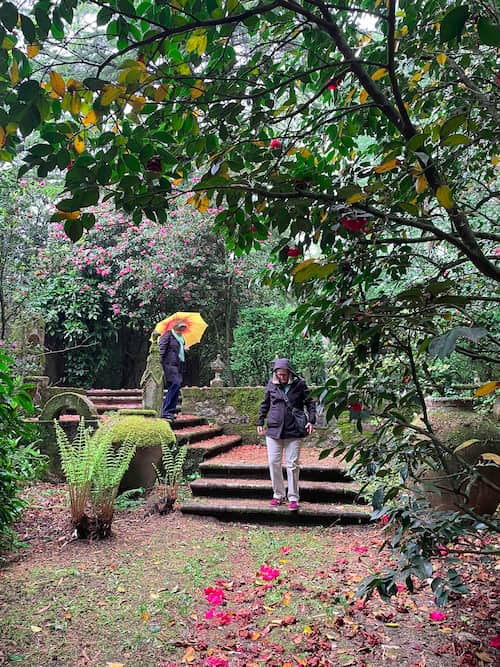
Unfortunately, the month before our arrival, severe storms had caused flooding and landslides across northern Portugal. Roads were damaged and several gardens were affected. For the first time in all the years I’ve been visiting, one well-known private garden owner had to cancel our visit because of storm damage.
Disappointing? Certainly.
But this is where experience matters. Instead of dwelling on what we couldn’t do, I rearranged the itinerary and found excellent alternatives. The group still enjoyed beautiful gardens and a wonderful weekend.
The best itineraries aren’t rigid. They’re flexible enough to cope when circumstances change.
2. Pack for More Than One Season
A few weeks later I led two almost identical tours to Portugal.
I’d assumed the later tour, in early April, would enjoy warmer weather than the one in late March.
Instead, the opposite happened.

Late March brought glorious sunshine and comfortable temperatures. Early April delivered cold rain and strong winds.
The gardens were equally beautiful, but the experience was very different.
For the sunny tour we suddenly needed hats. For the rainy tour, umbrellas, waterproof jackets and warm scarves became essential.
It’s a good reminder that weather forecasts are just that—forecasts.
When packing for a garden tour, layers are your best friend. I always recommend comfortable walking shoes, a lightweight waterproof jacket, a warm wrap that can double as a scarf, and clothing made from natural fibers such as cotton or linen. Synthetic fabrics may travel well, but they’re rarely comfortable during very hot weather.
A little preparation makes every day more enjoyable.
3. Don't Fight the Weather—Work With It
England provided my biggest challenge this year.
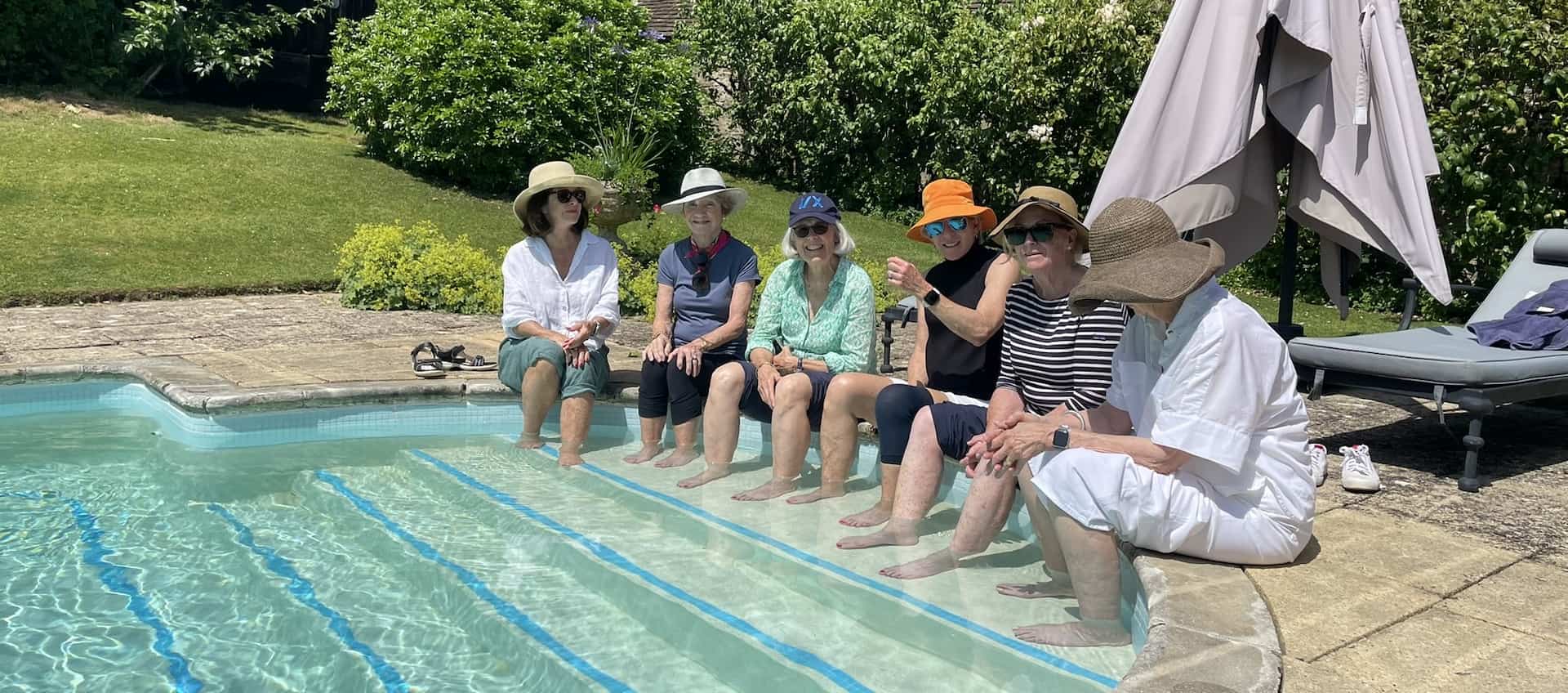
Both of my tours coincided with unusually high temperatures, but the Cotswolds tour took place during an exceptional heatwave. Temperatures climbed into the 90s°F (over 30°C), and the authorities issued a Red Alert, advising people to remain indoors between 11 a.m. and 3 p.m. because of the danger posed by the heat.

Of course, that’s easier said than done when your guests have traveled thousands of miles specifically to visit gardens.
Rather than abandoning our plans, we changed the rhythm of the day.
We visited gardens early in the morning while they were still cool, retreated to our air-conditioned coach between visits, enjoyed leisurely lunches indoors, and returned to gardens later in the afternoon when temperatures began to fall.
The gardens didn’t change.
Our timetable did.
Sometimes the secret isn’t to push through difficult conditions but to work with them instead.
4. Comfort Comes Before the Schedule
No itinerary is more important than the well-being of the people traveling with me.

During the heatwave we carried plenty of drinking water, encouraged everyone to refill bottles whenever possible, and made sure nobody felt they had to keep pace with the group if they were feeling tired.
Umbrellas became parasols instead of rain protection.
Shady benches became welcome resting places.
Everyone was encouraged to walk at their own pace, pause whenever they wished, and simply enjoy being in the garden.
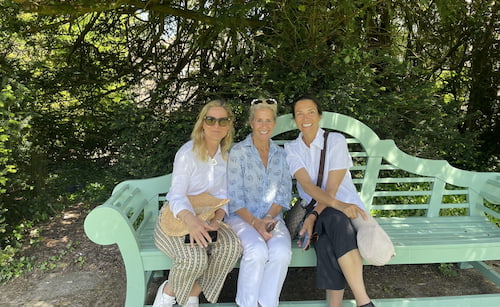
One interesting dilemma arose over water bottles. Normally, I try to minimize single-use plastics whenever possible. But during extreme heat, hydration became the priority. Sometimes sustainability and practicality pull in different directions, and on this occasion, making sure everyone drank enough water mattered most.
Fortunately, everyone stayed healthy, nobody suffered from the heat, and by the end of the tour the overriding feeling was simply one of enjoyment—and relief!
5. Good Relationships Make All the Difference
One of the least visible parts of leading garden tours is building relationships with the people who open their gardens to us.
Those relationships proved invaluable this summer.
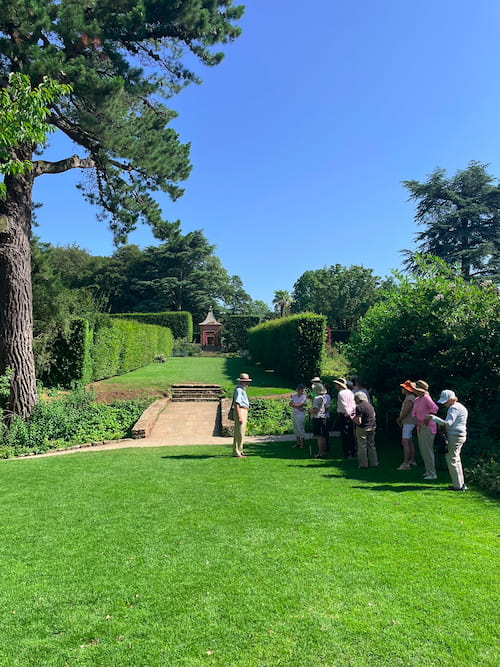
During the Red Alert, Hidcote closed to the general public. However, because our visit had been arranged well in advance and our volunteer guide kindly agreed to meet us earlier than planned, we were still able to visit.
It was a magical experience.
Imagine one of England’s most famous gardens almost completely empty. Quiet paths. Beautiful borders. Wonderful photographs. Moments of calm that would have been impossible on a normal summer’s day.
We were equally fortunate at Highgrove, where our visit took place just before restrictions came into effect. Afterwards, I heard that several other groups had their visits cancelled. Knowing how difficult it is to secure a place at Highgrove, I felt enormously grateful that our carefully planned schedule—and perhaps a little good fortune—had worked in our favor.
It’s a reminder that successful tours depend not only on planning, but also on the goodwill, generosity and flexibility of the many wonderful people we work with along the way.
Looking Ahead
If this season has taught me anything, it’s that garden travel is becoming less predictable.
Climate change is affecting flowering times, rainfall patterns and temperatures across Europe. We can still choose the weeks that are most likely to showcase camellias, roses or autumn color at their best, but there are no longer any guarantees.
What I can promise isn’t perfect weather.
What I can promise is careful planning, thoughtful preparation and the flexibility to adapt when nature has other ideas.
That’s my job.
By the end of this summer’s tours, one guest summed it up rather perfectly.
“It was a lovely and well organized tour. I couldn’t have been happier with the experience, except for the weather.”
I’ll happily accept that.
After all, the weather is still the one thing only Mother Nature controls—and the one thing I will never be able to organize.


